


What Is Viscose From Bamboo? A Straight Answer
Viscose from bamboo is a soft, breathable fabric made by dissolving bamboo plant pulp into a liquid and spinning it into fiber. It is a type of rayon — a regenerated, semi-synthetic fiber. The bamboo is the raw source; the fabric itself is chemically processed, which is why labels read “viscose from bamboo,” not “100% bamboo.”
When you read a sheet label that says “100% viscose from bamboo,” it can be confusing. Is it bamboo or isn’t it? The short answer: it starts as bamboo and ends as a fiber called viscose. Both halves of that sentence are true, and understanding why is the difference between a confident purchase and a frustrated one. Here is the honest, complete explanation.
How viscose from bamboo is actually made
Bamboo fabric does not come from weaving the stalk like you’d weave straw. The plant is too woody for that. Instead, the bamboo is harvested, broken down, and its cellulose is extracted and dissolved in a chemical solution until it becomes a thick, syrup-like liquid. That liquid is pushed through a spinneret — a tool with tiny holes, like a showerhead — to form long filaments. Those filaments are hardened back into solid fiber, spun into yarn, and woven into fabric.
Because the original plant cellulose is dissolved and then regenerated into a new fiber, the result is classified as rayon — a regenerated, semi-synthetic fiber. It’s not a natural fiber in the way cotton or linen are (those keep the plant’s original fiber structure), and it’s not fully synthetic like polyester (which is made from petroleum). It sits in between. Bamboo viscose is the most common version of this process.
Why the label says “viscose from bamboo” and never “100% bamboo”
In the United States, the Federal Trade Commission regulates how textiles are labeled under the Textile Fiber Products Identification Act. Because the manufacturing process chemically transforms the plant into a regenerated fiber, the FTC requires that the finished fabric be called by its generic fiber name — viscose or rayon — not “bamboo.” A compliant label reads “100% viscose from bamboo” or “100% rayon from bamboo.” It identifies the fiber (viscose) and discloses the source (bamboo).
When a brand sells sheets labeled simply “100% bamboo,” that label is technically inaccurate under FTC rules, because no woven plant remains in the final fabric — it’s been regenerated into viscose. So if you see “viscose from bamboo,” that’s not a downgrade or a red flag. It’s the brand labeling honestly and within the law.
At Bamboo Is Better, most of our sheets are 100% viscose from bamboo — a single-fiber fabric, not a polyester blend. (Our Copper line blends in copper-infused fiber for its odor-fighting benefit, and that composition is listed on the product page.) We use the accurate term on purpose.
Viscose vs. lyocell vs. modal: the three bamboo fibers
Not all regenerated bamboo fibers are made the same way. There are three you’ll see on labels:
- Viscose (rayon) — the original and most common process. Soft, breathable, drapes beautifully, and the most affordable to produce. This is what most “bamboo sheets” are.
- Modal — a viscose variant made with a modified process that produces a slightly stronger, more shrink-resistant fiber. Often blended for extra durability.
- Lyocell — made in a “closed-loop” system, meaning the solvent used to dissolve the cellulose is captured and reused rather than released. Lyocell (the branded version is TENCEL™) is generally considered the most environmentally responsible of the three, and it’s typically the most expensive.
All three start from plant cellulose and all three are regenerated fibers. The differences are in the manufacturing process and the resulting feel, strength, and environmental footprint — not in whether they’re “real” bamboo.
Is viscose from bamboo eco-friendly?
This deserves an honest answer because it’s where marketing usually outruns the facts.
The raw plant is a genuinely sustainable crop. Bamboo grows fast, regenerates from its own root system without replanting, and requires no pesticides to thrive. Producing bamboo fabric uses 70% less water than producing cotton — a meaningful, factual advantage at the agricultural stage.
The processing stage is where honesty matters. Conventional viscose production uses chemical solvents to dissolve the cellulose. In a responsible facility, those chemicals are handled and managed properly. The real question for a shopper isn’t “are chemicals used?” (they are, in all rayon) — it’s “is the finished fabric safe against my skin?”
That’s exactly what third-party certification answers. Bamboo Is Better fabric is OEKO-TEX certified, an independent standard that tests the finished textile for harmful substances. You can verify it yourself — we keep our certification details public. Certification doesn’t change that bamboo viscose is a chemically processed fiber; it confirms the product you sleep on is tested safe.
So: is it eco-friendly? The crop is. The water savings are real. The processing is chemical, and the responsible answer is third-party certification rather than a vague “all natural” claim.
Is viscose from bamboo good? What it’s actually like to sleep on
Setting sustainability aside — how does the fabric perform? This is where bamboo viscose earns its reputation:
- It sleeps cool. Bamboo viscose is breathable and wicks moisture away, which is why our Signature sheets are tested to sleep 3x cooler than cotton. For a hot sleeper, this is the whole point.
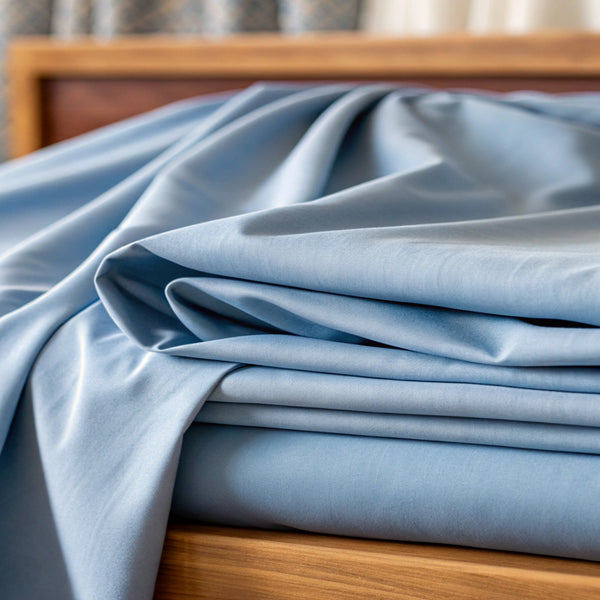
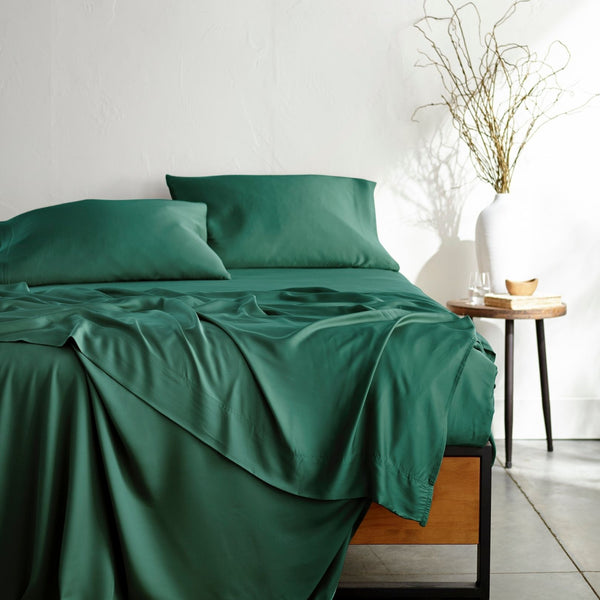
- It’s exceptionally soft — closer to silk than to crisp cotton, with a smooth drape.
- It gets softer with every wash, where most fabrics break down and roughen over time.
- It resists odor naturally, so bedding stays fresher between washes.
The one honest tradeoff: because viscose fibers are smooth and fine, the fabric should be washed gently — cold water, mild detergent, low heat — to keep it at its best. It rewards a little care. (Here’s our full guide to how to wash bamboo sheets.)
How to read a “viscose from bamboo” label like a pro
- Look for “viscose from bamboo” or “rayon from bamboo.” This is the honest, FTC-compliant label. Good sign.
- Be skeptical of “100% bamboo.” It’s not an FTC-compliant description of a finished fabric — it often signals marketing over accuracy.
- Check for a single-fiber content, not a blend. “100% viscose from bamboo” means the fabric isn’t cut with polyester. Many cheap “bamboo” sheets are mostly polyester with a little bamboo for the name.
- Look for a third-party certification you can verify — like OEKO-TEX — rather than unverifiable words like “organic” or “all natural.”
Why Bamboo Is Better uses viscose from bamboo
We could call our sheets “100% bamboo” like a lot of brands do. We don’t, because it isn’t true and because we’d rather you trust us than be impressed by us. Our Signature Sheet Set is 100% viscose from bamboo — a single fiber, no polyester filler — OEKO-TEX certified, and tested to sleep 3x cooler than cotton. It gets softer every wash and resists odor naturally. That’s the fabric, explained the way we’d explain it to a friend at a tradeshow booth. You can see the full range in our Signature Collection, or read more about the benefits of bamboo sheets.
Frequently asked questions
What is viscose from bamboo?
Viscose from bamboo is a soft, breathable fabric made by dissolving bamboo plant cellulose into a liquid and spinning it into fiber. It’s a type of rayon — a regenerated, semi-synthetic fiber. The bamboo is the raw source, but the fabric itself is chemically processed, which is why it’s labeled “viscose from bamboo” rather than “100% bamboo.”
Is viscose from bamboo the same as bamboo fabric?
Yes. “Bamboo fabric” is the everyday name, and “viscose from bamboo” (or “rayon from bamboo”) is the accurate technical and legal name for the same material. Most fabric sold as bamboo is bamboo viscose — a regenerated fiber made from bamboo cellulose.
Why isn’t it called “100% bamboo”?
Because the manufacturing process chemically transforms the plant into a regenerated fiber, the U.S. Federal Trade Commission requires the finished fabric to be labeled by its fiber name — viscose or rayon — not “bamboo.” A compliant label reads “100% viscose from bamboo,” which names the fiber and discloses the source.
Is viscose from bamboo good for hot sleepers?
Yes. Bamboo viscose is breathable and wicks moisture away, which makes it well suited to people who sleep hot. Bamboo Is Better’s Signature sheets are tested to sleep 3x cooler than cotton, get softer with every wash, and resist odor naturally.
Is viscose from bamboo eco-friendly?
Partly, and it’s worth being honest about. Bamboo is a fast-growing crop that needs no replanting or pesticides, and bamboo fabric uses 70% less water to produce than cotton. However, turning the plant into viscose is a chemical process. The most important assurance for a shopper is a third-party certification like OEKO-TEX, which tests the finished fabric for harmful substances.
Is viscose from bamboo safe to sleep on?
The fiber is chemically processed, so the meaningful safety question is whether the finished fabric is tested for harmful substances. Bamboo Is Better fabric is OEKO-TEX certified — an independent standard that verifies the finished textile is free of harmful chemicals — so the product you sleep on is tested safe.

