


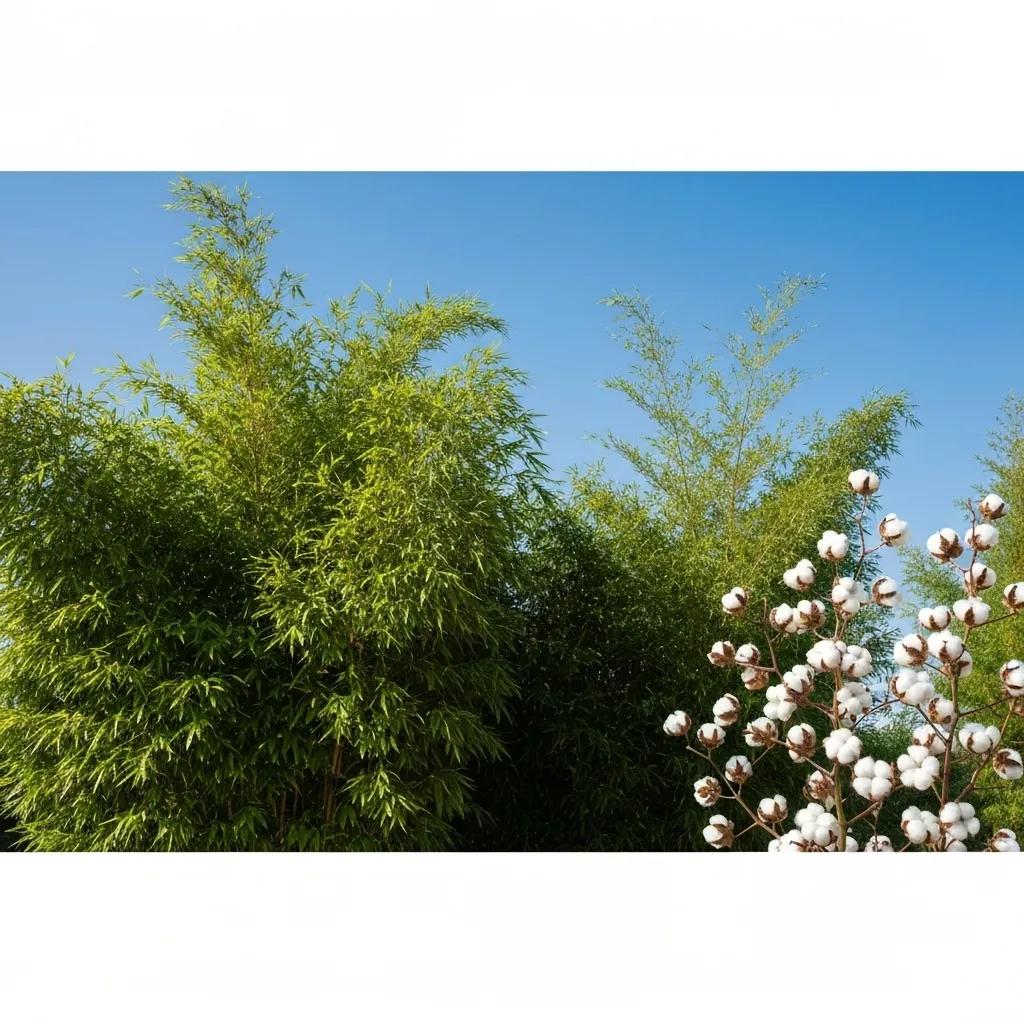
Bamboo vs. Cotton Sheets: Your Ultimate Guide to Eco-Friendly, Cozy Bedding
Switching between bamboo and cotton bedding can dramatically influence your sleep quality, skin health, and environmental footprint. This guide breaks down how bamboo and cotton sheets compare in softness, cooling, durability, wellness benefits, sustainability, and cost—so you can confidently choose the fabric that matches your lifestyle.
Bamboo vs. Cotton Sheets: Quick Comparison
| Feature | Bamboo Sheets | Cotton Sheets |
|---|---|---|
| Softness | Silky-smooth, drapey | Ranges from crisp (percale) to soft (Egyptian/Pima) |
| Cooling | Excellent breathability & moisture-wicking | Good (percale), Fair (sateen) |
| Sustainability | Highly renewable, low water use | Conventional cotton = heavy water/pesticide use; organic cotton better |
| Durability | Strong, resists pilling when cared for | Durable (long-staple), but prone to shrinking/pilling |
| Cost | Higher upfront, long-term value | Budget to luxury range |
| Hypoallergenic | Breathable, moisture-wicking & dust-mite resistant | Organic cotton can help, but less resistant to allergens |
Fabric Origins & Crafting
How Bamboo Sheets Are Made
Bamboo sheets begin with stalks of fast-growing bamboo grass. Eco-friendly processes turn these into silky fibers that naturally wick away moisture and stay breathable. Bamboo thrives without pesticides, grows back rapidly, and needs far less water than cotton, making it one of the world's most sustainable textiles.

How Cotton Sheets Are Made
Cotton sheets start with fibers from cotton bolls. These are spun into yarn, then woven into percale (crisp) or sateen (smooth) fabrics. Different cotton types impact softness and durability:
Health & Wellness Benefits
Are Bamboo Sheets Hypoallergenic?
Bamboo's naturally breathable, moisture-wicking fibers stay fresher between washes and are dust-mite resistant. That makes bamboo bedding a gentler choice for sensitive or allergy-prone sleepers.
Cotton is breathable, but unless organic, it may carry chemical residues and is less resistant to allergens. Bamboo Is Better's sheets are OEKO-TEX Standard 100 certified (cert # BJ025 164353) — independently tested free of 100+ harmful substances, including pesticides, heavy metals, and formaldehyde.
Bamboo for Night Sweats & Skin Irritation
Because bamboo sheets wick moisture and dry quickly, they reduce irritation from sweat buildup and heat rash—something cotton doesn't always manage as effectively.
Sustainability & Eco-Impact
Why Bamboo Is Eco-Friendly
Grows rapidly without replanting
Uses up to 50% less water than cotton
Requires little to no pesticides
Many fabrics made in closed-loop systems that recycle solvents
How Cotton Compares
Conventional cotton is one of the most resource-intensive crops: heavy irrigation and pesticide use. Organic cotton is more sustainable, but still demands more land and water than bamboo.
Cost & Long-Term Value
Bamboo sheets: 20–40% more expensive than mid-range cotton.
Cotton sheets: Range from budget (upland) to luxury (Egyptian/Pima).
Value Over Time
Bamboo: Resists pilling, color fading, and shrinkage—lasting longer with proper care.
Cotton: Long-staple varieties hold up, but budget options often wear out quickly.
Who Should Choose Bamboo vs. Cotton?
Bamboo Sheets Are Best For:
Hot sleepers
Allergy/sensitive skin
Eco-conscious buyers
Luxury feel seekers
Cotton Sheets Are Best For:
Budget-conscious shoppers
Traditionalists who like crisp percale
People who prefer easy-care fabrics
Frequently Asked Questions
Are bamboo sheets cooler than cotton?
Yes. Bamboo's micro-gaps and moisture-wicking make it cooler and drier, especially for hot sleepers.
Are bamboo sheets softer than cotton?
Bamboo's round fibers give it a silky softness—often softer than most cottons except high-end Egyptian or Pima.
Are bamboo sheets good for sensitive skin or allergies?
Breathable and moisture-wicking, bamboo sheets stay dust-mite resistant and fresher between washes—a gentler choice for sensitive or allergy-prone sleepers.
How do you wash bamboo sheets?
Cold water, gentle cycle, mild detergent. Tumble dry low or line dry.
Do bamboo sheets last longer than cotton?
Often yes—bamboo resists pilling and shrinkage, outlasting mid-range cotton with proper care.
Are bamboo sheets worth the price?
Given their softness, cooling, durability, and eco-benefits, most sleepers find bamboo a smart long-term investment.
Conclusion
Bamboo bedding combines silky softness, cooling breathability, a gentler feel for sensitive sleepers, and sustainable production—all in one. Cotton offers variety, tradition, and affordability but can't match bamboo's eco-footprint or consistent softness.
→ Ready to upgrade your sleep? Explore Bamboo Is Better's premium bamboo sheet collection and find the eco-friendly bedding that supports both your rest and the planet.
See our full guide: Best Bamboo Sheets for Hot Sleepers →
Learn more: OEKO-TEX Standard 100 Certified Bamboo Bedding — What the Certification Means →
