



Hygiene, Comfort, and Protecting Your Warranty
It's the simplest way to protect your sleep investment — hygiene, comfort, and often your warranty, all from one thin layer.
The Invisible Enemies of Your Mattress
We spend a third of our lives in bed, and while we sleep, the average person sheds skin cells and releases moisture through sweat and breathing all night long. Without a barrier, all of that is absorbed directly by your mattress.
Over time, that trapped moisture and body oil can create a hospitable environment for dust mites and bacteria deep inside the mattress layers — wearing on the materials and working against any cooling foam or gel your mattress is built with.
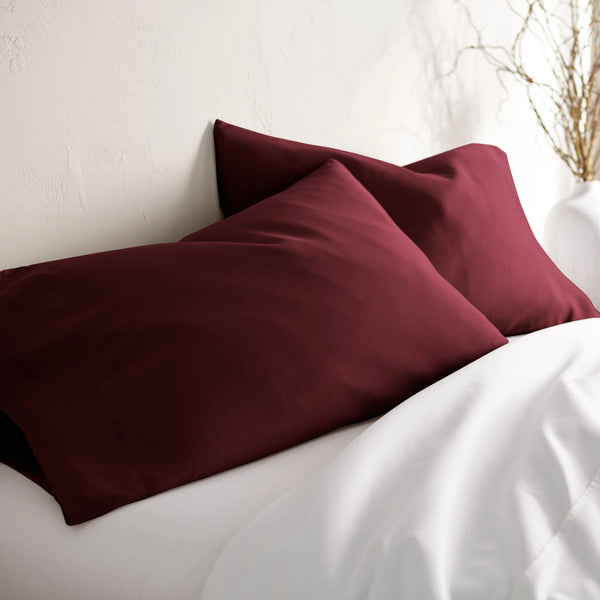
A quality protector creates a breathable barrier between you and your mattress, helping keep your sleep environment fresh — without changing how the bed feels.
More Than Just Spills: Check Your Warranty Terms
Something most people don't realize: many mattress manufacturers require some form of protection to keep the warranty valid. A stain — even a small one — can sometimes be treated as liquid damage, which may affect your eligibility for repair or replacement.
- Protect your coverage: Before you assume you're covered, check your specific mattress's warranty terms. A waterproof, stain-resistant protector is a low-cost way to help keep that coverage intact.
- Don't work against your cooling mattress: If your mattress is built with cooling technology, a thick, plastic-backed protector can trap heat and undercut the very thing you paid for. Look for something thin and breathable instead.
A good protector is the bridge between hygiene, warranty peace of mind, and comfort.
What to Look for in a Mattress Protector
Not all protectors are built the same. Traditional vinyl and plastic-backed options are often noisy, crinkly, and trap heat — working against you all night. When you're shopping for one, a few things are worth checking:
What actually matters:
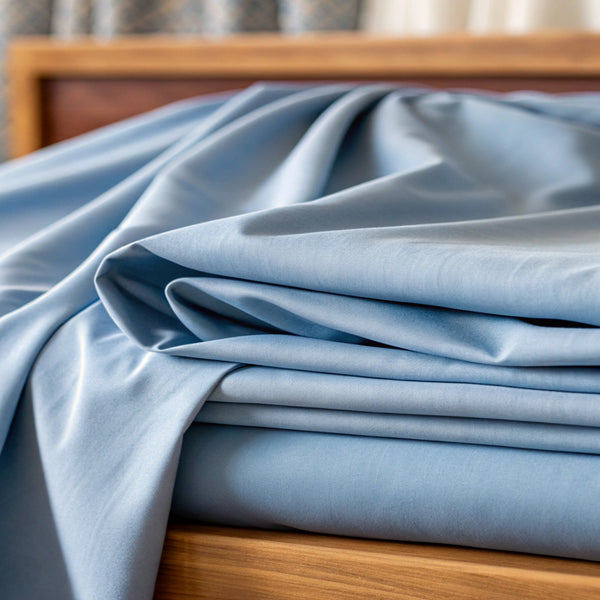
- Quiet, not crinkly: Thin, soft fabric tops (like bamboo viscose) skip the crinkling sound common with cheaper vinyl protectors.
- Breathable, still waterproof: Look for something that lets air and heat move freely while still blocking liquids — so it doesn't undo your mattress's cooling performance.
- Naturally hypoallergenic-leaning fabrics can help reduce buildup of dust mites and other common allergens over time, though a protector is one part of a broader sleep-hygiene routine, not a cure for allergies.
- Machine washable: You'll want to wash it regularly, so make sure the waterproof backing is built to hold up.
If you're pairing a protector with a cooling mattress, look for breathable natural fibers — not thick, plastic, or PVC options.
❓ Mattress Protector FAQs
Do all mattress protectors work against the cooling features of my mattress?
Cheap vinyl or thick polyester protectors can. Protectors made with breathable natural fibers are designed to stay thin and airflow-friendly, so they're less likely to interfere with your mattress's cooling technology.
How often should I wash my mattress protector?
Every 4 to 6 weeks is a good baseline, or immediately after any spill. A gentle cycle with cold or warm water, then air dry or tumble dry on low heat, is usually safest for the waterproof backing.
Does a protector replace the need for a sheet?
No. A protector sits directly on the mattress as the first layer of defense; your fitted sheet goes over it. The sheet is primarily for comfort — the protector is for hygiene and (often) warranty protection.
Protect Your Sleep. Protect Your Investment.
Don't wait for the first spill to wish you'd added one. If you're shopping for a new mattress, we build ours to last — and a good protector is worth adding to the cart alongside it.
Explore Our Cooling Hybrid Mattresses →
See Our Mattress Warranty Coverage →

